
Custom healthcare CRM systems built for complex operations
We build healthcare CRM and operations systems for organizations that need cleaner workflow control, stronger onboarding structure, clearer reporting, and less spreadsheet-driven execution.
A healthcare CRM should reflect how work actually moves
Workflow control, onboarding, partner coordination, reporting, and internal operations should live in one structured system direction.
Built around real healthcare workflows, handoffs, and operational structure
HealthCRM Solutions was shaped by real system-building experience across workflow stages, onboarding, reporting, partner coordination, support flows, and day-to-day healthcare operations.
Built from real healthcare operations complexity
Shaped by real work building systems with stages, onboarding, reporting, support flows, and day-to-day operational logic.
More than a basic CRM
We think beyond contacts and forms into pipelines, onboarding, partner workflows, visibility, and scalable structure.
Designed around how teams actually work
Built around ownership, approvals, handoffs, accountability, and how healthcare teams execute work.
Four service pillars that strengthen healthcare operations
Each service supports a different layer of operational improvement — from CRM structure to automation, reporting, and replacing fragmented execution.
Modern healthcare CRM services with real operational depth
We think in workflows, handoffs, onboarding, reporting, role-based control, and scalable system architecture.
Custom Healthcare CRM Development
Purpose-built CRM systems shaped around workflow stages, permissions, reporting, and real healthcare operations.
Workflow Automation
Reduce manual follow-up, admin drag, and broken handoffs with automation mapped to real workflows.
Dashboards & Reporting
Give leadership clearer visibility into bottlenecks, ownership, progress, and operational performance.
Spreadsheet Replacement
Replace spreadsheet-heavy execution and disconnected tools with one structured operating system.
Generic healthcare software often stores data. Custom systems improve execution.
As operations grow more complex, generic tools often create friction instead of clarity. A custom CRM gives your team cleaner control, stronger visibility, and a system built around how work actually moves.
The difference is not just software. It is operational structure.
Core operational capabilities built into the system
Pipeline and stage logic
Custom stages, ownership rules, approvals, and follow-up flow built around real execution.
Onboarding and pre-onboarding flows
Structured intake, pre-onboarding, approvals, and progression across teams.
Partner and consultant workflows
Referral-side and partner-side workflows with cleaner external coordination.
Reporting and management visibility
Clearer visibility into delays, bottlenecks, team activity, and progress.
Support ticketing and internal tools
Internal requests, uploads, ticketing, and staff tools beyond a basic CRM.
Role-based access and responsibility
Right permissions, actions, dashboards, and responsibilities for each role.
A structured path from workflow confusion to operational clarity
We take a practical approach: understand the workflow, define the right system, build it around real operations, and improve it as the business grows.
Workflow Discovery
We review your current process, roles, bottlenecks, and handoffs.
System Architecture
We define the CRM structure, permissions, stage logic, and reporting model.
Build & Launch
We develop the system and prepare it for real team execution.
Optimize & Scale
We improve visibility, automation, and workflow performance as you grow.
Built for healthcare companies with operational complexity
Especially valuable for organizations that need clearer workflow control, stronger onboarding structure, better reporting, and CRM logic aligned with real operations.
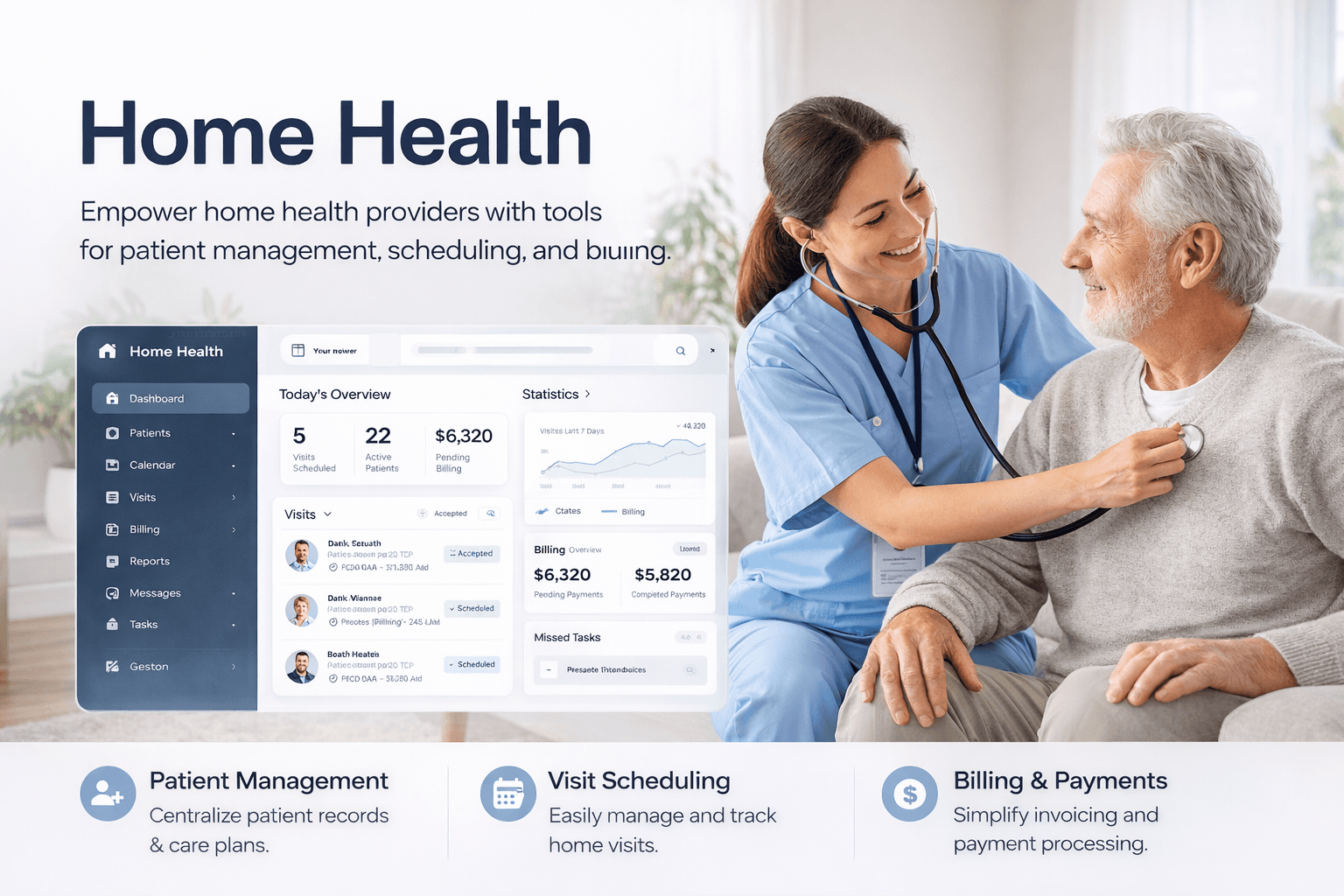
Home Health
Referral visibility, case progression, coordinator workflow, and manager reporting.
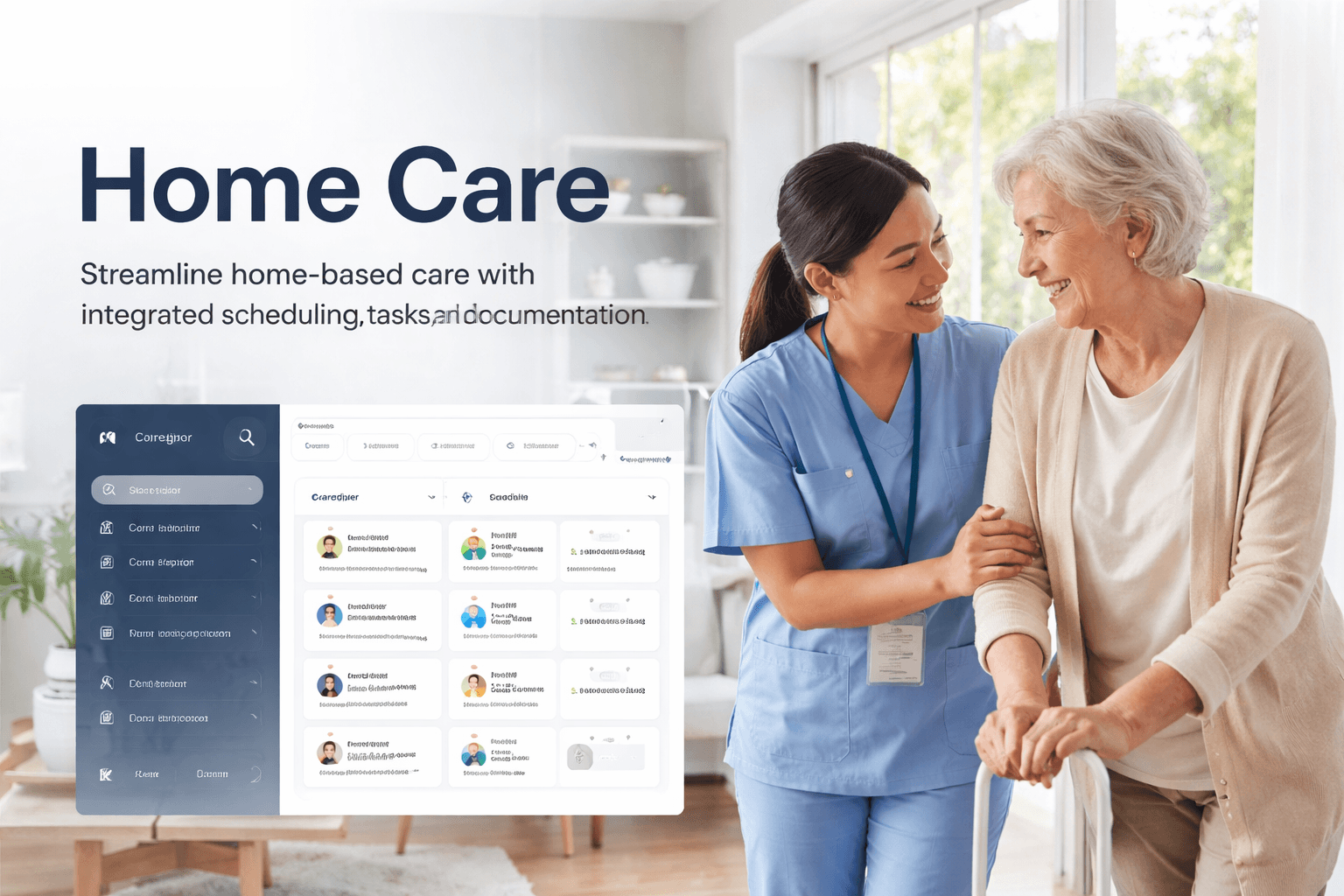
Home Care
Caregiver coordination, internal ownership, and cleaner day-to-day execution.
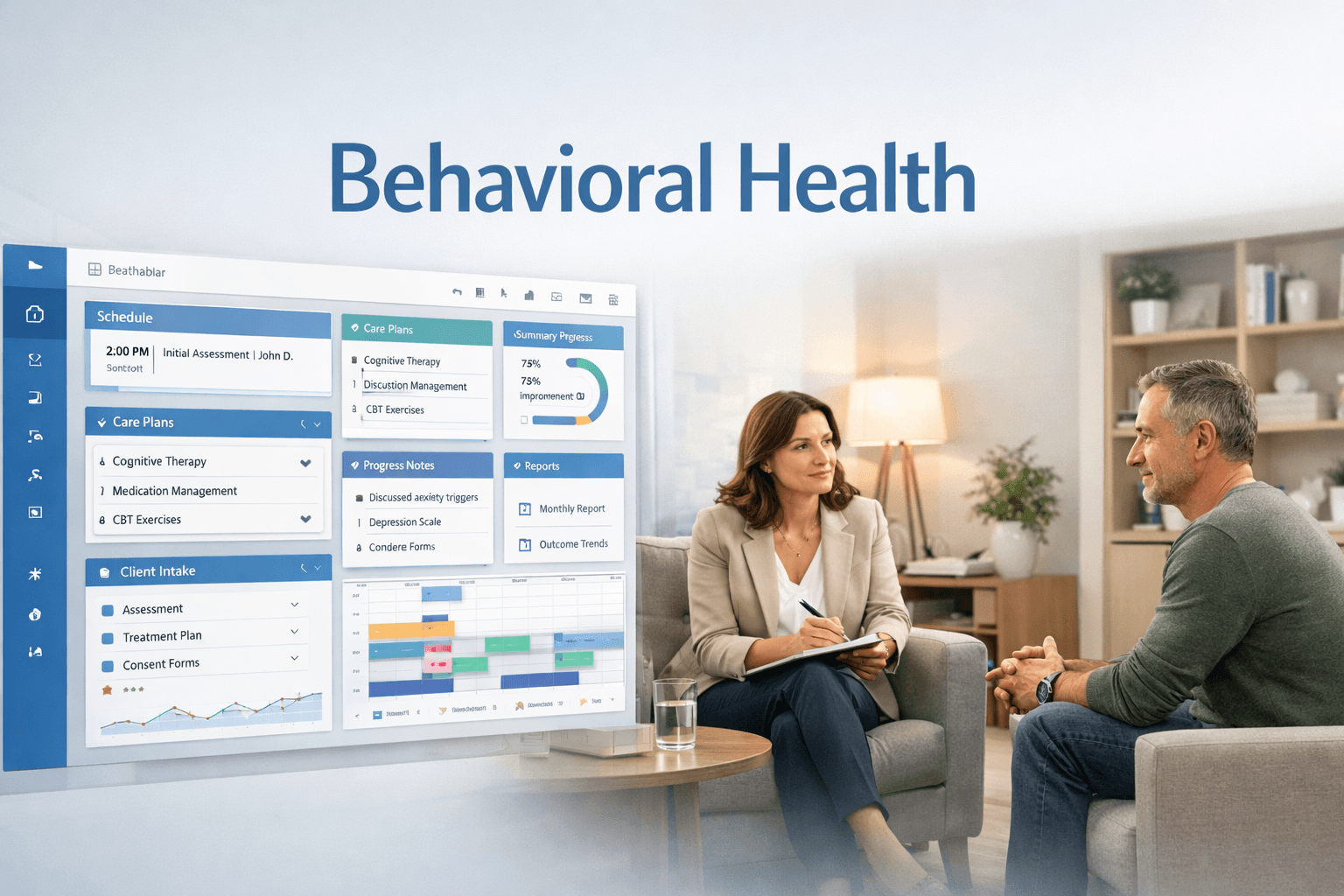
Behavioral Health
Stronger intake visibility, approvals, staff actions, and accountability.
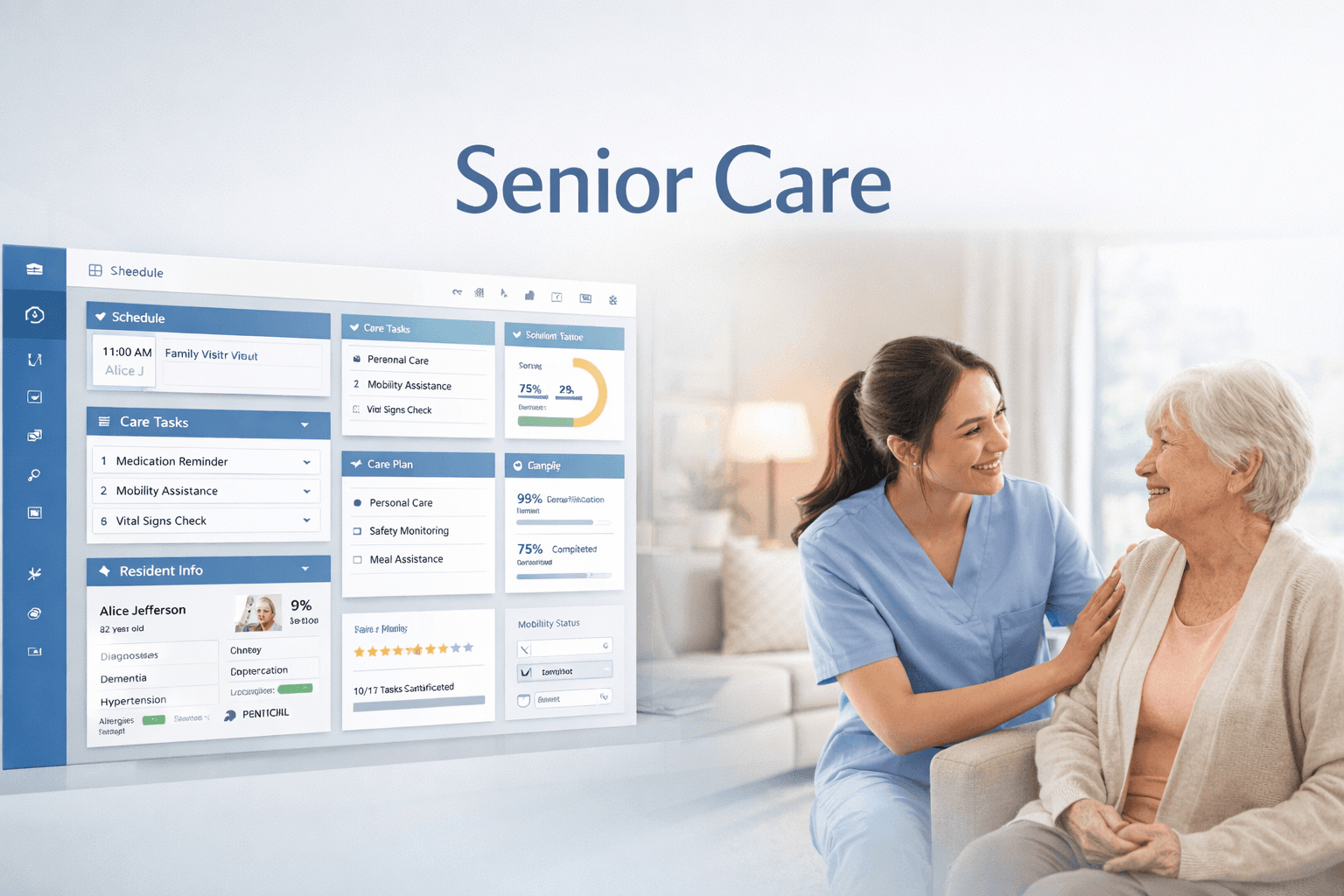
Senior Care
Lead handling, family communication, partner coordination, and cleaner workflow movement.
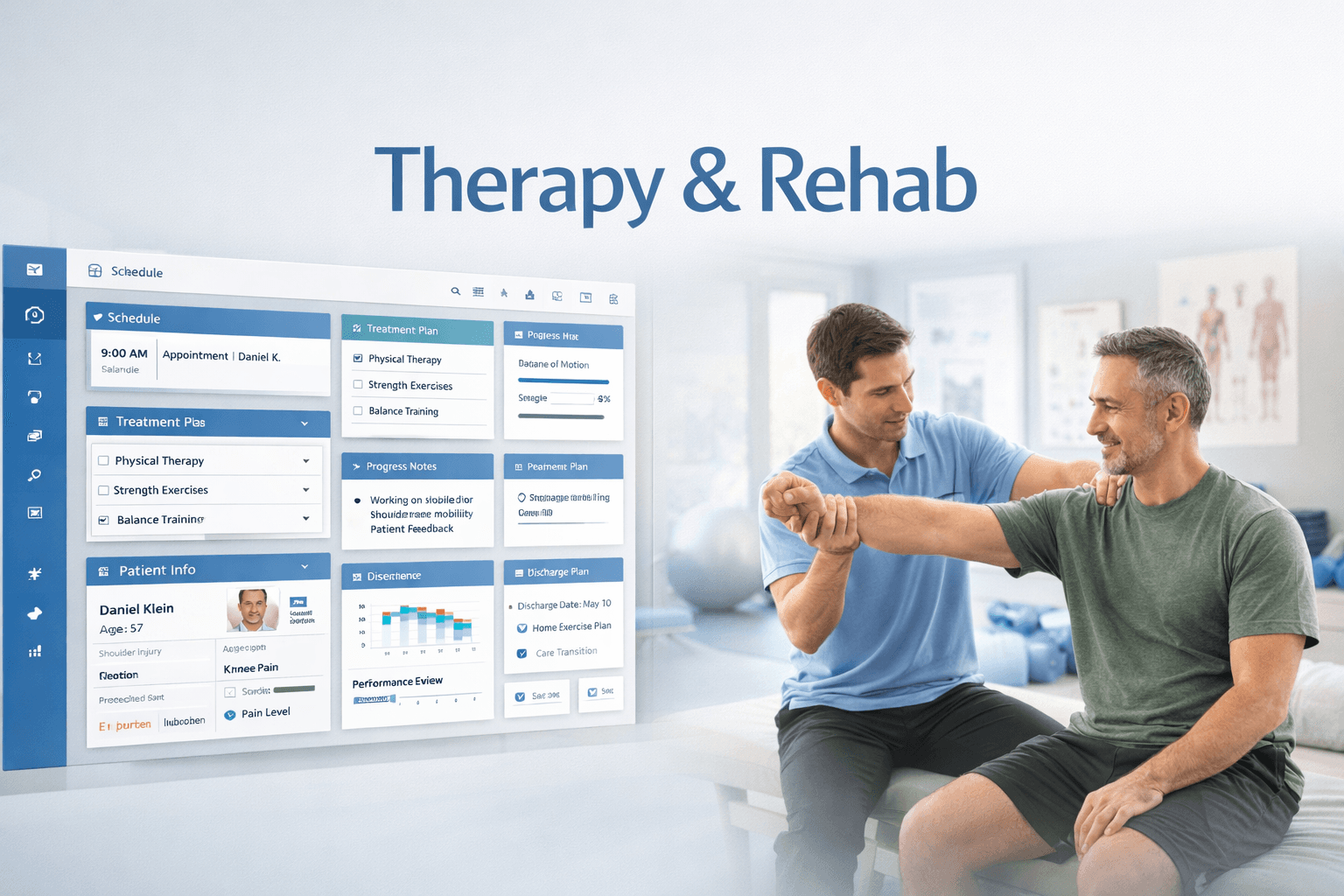
Therapy & Rehab
Cleaner intake structure, scheduling flow, bottleneck tracking, and follow-up control.
Built for healthcare environments where security, control, and data sensitivity matterHealthcare CRM systems designed for access control, visibility, and structured operations
We design systems with role-based access, internal control, reporting visibility, and healthcare-sensitive workflow planning in mind.
Role-based control
Structured permissions, cleaner access control, and better visibility discipline.
Healthcare-sensitive architecture
Built with healthcare workflow sensitivity, internal control, and data handling in mind.
HIPAA-aware planning
For stricter environments, systems can be planned with HIPAA-aware considerations from the start.
Compliance-conscious foundation
A security-minded foundation for healthcare environments where trust and control matter.
Questions healthcare teams usually ask before moving beyond generic tools
These are the questions that usually come up when spreadsheets, disconnected tools, weak visibility, and manual handoffs stop working well.
A custom healthcare CRM is built around how your organization actually operates, including workflow stages, staff roles, reporting, onboarding, and operational ownership.
Generic CRM platforms usually focus on broad contact or sales workflows. A custom healthcare CRM can be built around healthcare operations, including stage movement, role-based access, onboarding flows, and reporting visibility.
Yes. Many healthcare organizations move to a custom CRM when spreadsheets, disconnected trackers, and fragile workarounds create delays, weak visibility, and operational confusion.
Depending on scope, the system can include pipeline stages, approvals, onboarding flows, dashboards, partner workflows, support processes, ticketing, and other operational modules.
Yes. A custom healthcare CRM can be designed with role-based access so each user sees the right data, actions, responsibilities, and dashboard views.
Yes. Dashboards and reporting can show workflow stages, bottlenecks, onboarding progress, team activity, accountability, and other operational signals managers need.
Let’s define what your healthcare CRM actually needs to do
We review your workflow, reporting needs, team structure, and friction points to define what a stronger CRM foundation should look like.
A good discovery conversation is not about generic features. It is about workflow movement, ownership, reporting, and operational structure.
Share a few details and we will review your workflow, structure, onboarding logic, and current bottlenecks.